
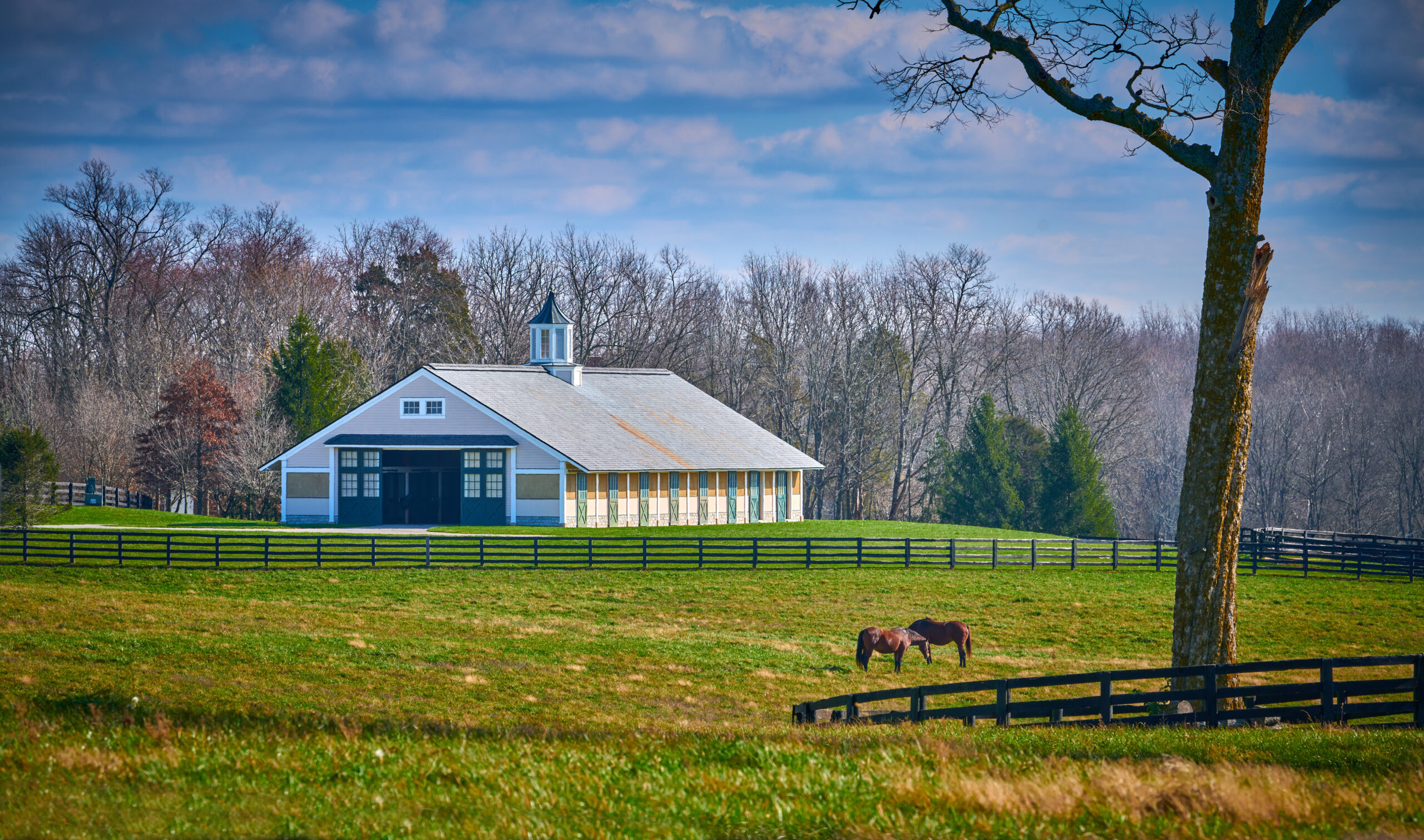
Housing for Humans
Incorporating a loft, living quarters, barn apartment, or barndominium into your new barn is a great way to house staff, provide a unique space for guests, or even create rental income. Be sure to check with your local authorities on the requirements for integrating living space within your barn, as zoning laws, construction guidelines, and rental regulations can impact your planning.
Location and Design Considerations
Choosing the right location for your loft or living quarters is key to creating a livable and enjoyable space. Consider whether you’d like your barn apartment on the ground level for easy access or on an upper floor for privacy, and if a separate entrance is suitable. You’ll also want to ensure the space receives plenty of sunlight and good air circulation and isn’t exposed to excessive noise or fumes from animals or equipment.
Essential Infrastructure Requirements
Proper insulation, wiring, and plumbing are also essential for a comfortable home. Placing your living quarters in an easy-to-insulate part of the barn, close to electrical sources, and near existing plumbing will reduce your costs and simplify construction.
Types of Living Space Integration
Loft Spaces:
- Utilize overhead space efficiently
- Natural separation from barn activities
- Require proper access (stairs or elevator)
- Need adequate ceiling height and structural support
Ground-Level Apartments:
- Easier accessibility and utility connections
- Better for individuals with mobility considerations
- May require more complex separation from barn functions
- Offer conventional room layouts
Barndominiums:
- Complete integration of residential and agricultural space
- Maximum customization and space utilization
- Require specialized design and construction expertise
- Offer unique lifestyle opportunities
Regulatory and Planning Considerations
Zoning Requirements: Check local zoning laws, construction guidelines, and rental regulations that can impact your planning. Some areas have specific restrictions on residential use in agricultural buildings.
Building Codes: Living quarters must meet residential building standards including:
- Proper egress windows and doors for emergency exit
- Electrical systems meeting residential codes
- Plumbing systems for waste and water supply
- Insulation and energy efficiency requirements
- Fire safety and separation standards
Design for Comfort and Safety
Climate Control:
- Independent heating and cooling systems for living areas
- Proper insulation between living and barn spaces
- Humidity control to prevent moisture issues
- Air quality management to prevent odor transfer
Safety and Separation:
- Fire-rated separation between living and barn areas
- Independent access and emergency exits
- Sound insulation for comfortable living
- Pest control considerations
Planning Your Living Space
Location Selection:
- Consider sunlight exposure and views
- Plan for privacy from barn operations
- Ensure good air circulation
- Minimize noise and odor exposure
Utility Integration:
- Electrical service adequate for residential needs
- Plumbing for kitchen and bathroom facilities
- Internet and communication systems
- Climate control systems
Professional Living Quarters Design
Sterling Equine Living Integration Expertise Our team can help you explore the possibilities for integrating living quarters into your barn design while ensuring compliance with local regulations and optimal functionality for both residential and equestrian needs.